Reactive pans

Reactive pans are made from materials that chemically react with acidic foods. The reaction can cause the foods to absorb a metallic taste and also to discolor. Basically when reactive pans are exposed to foods with high acidic content tiny traces of the metal leach into the food creating an off taste. Examples of reactive pans are:

  • copper, non-lined
  • iron
  • aluminum

If a recipe calls for non-reactive pan simply avoid using any of the above mentioned. Also be sure to avoid using spoons, whisks and any other implements that are made from reactive materials.

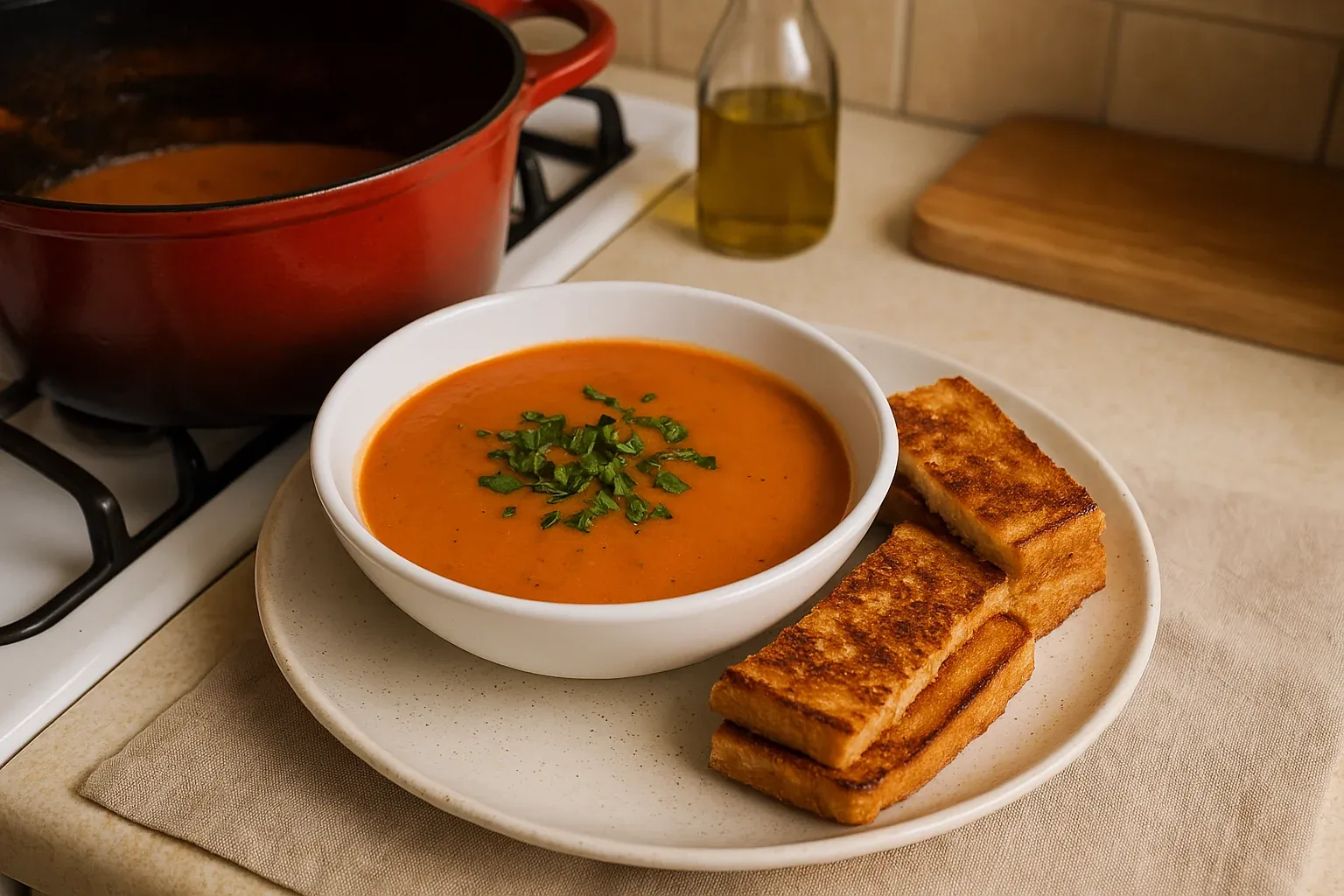
For these reasons, if I am making a dish that has tomatoes I will avoid using my beloved iron skillet and will instead use my aluminum bonded stainless-steel pan. Some ingredients that you should avoid using with reactive pans are:

  • artichoke
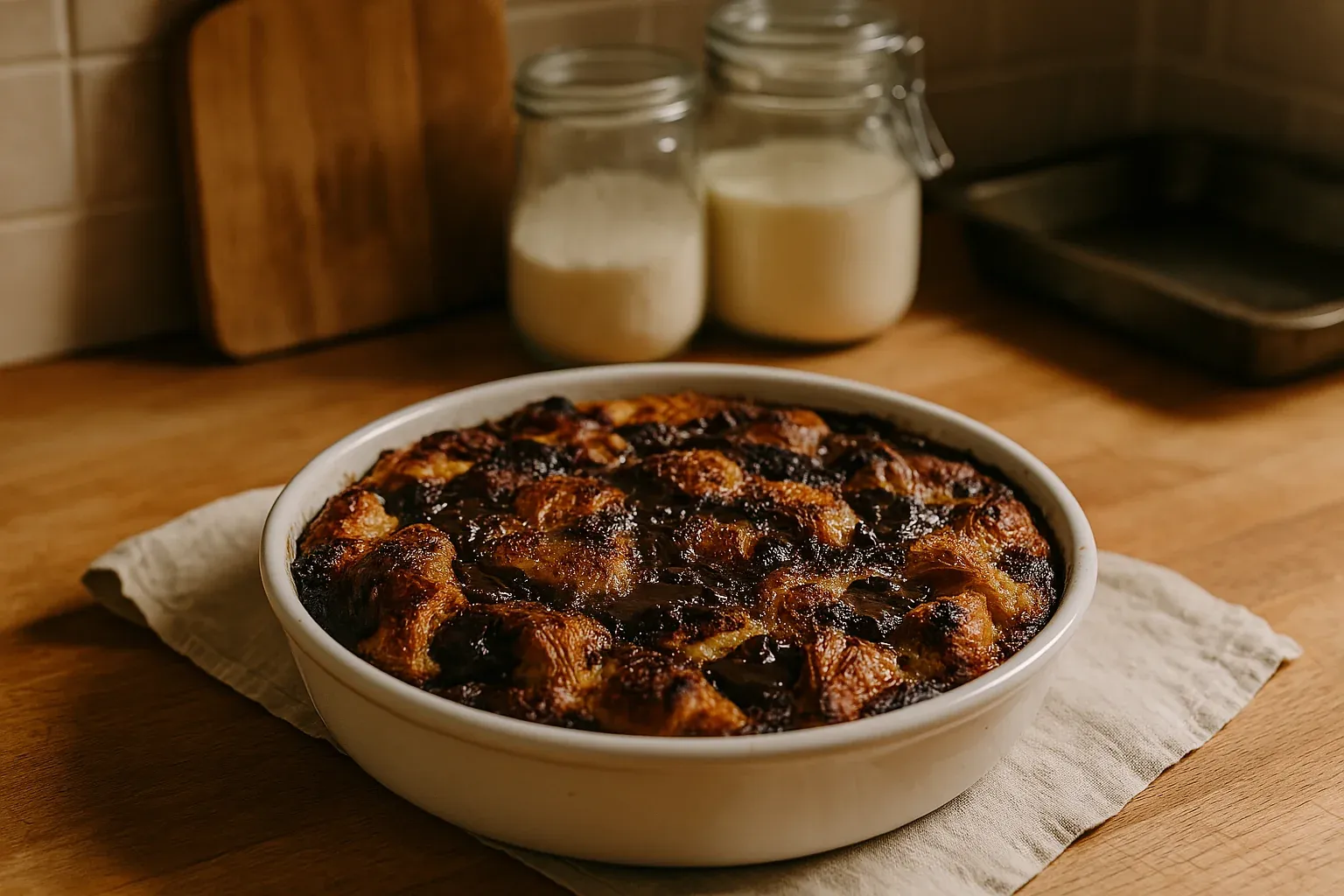
  • chocolate
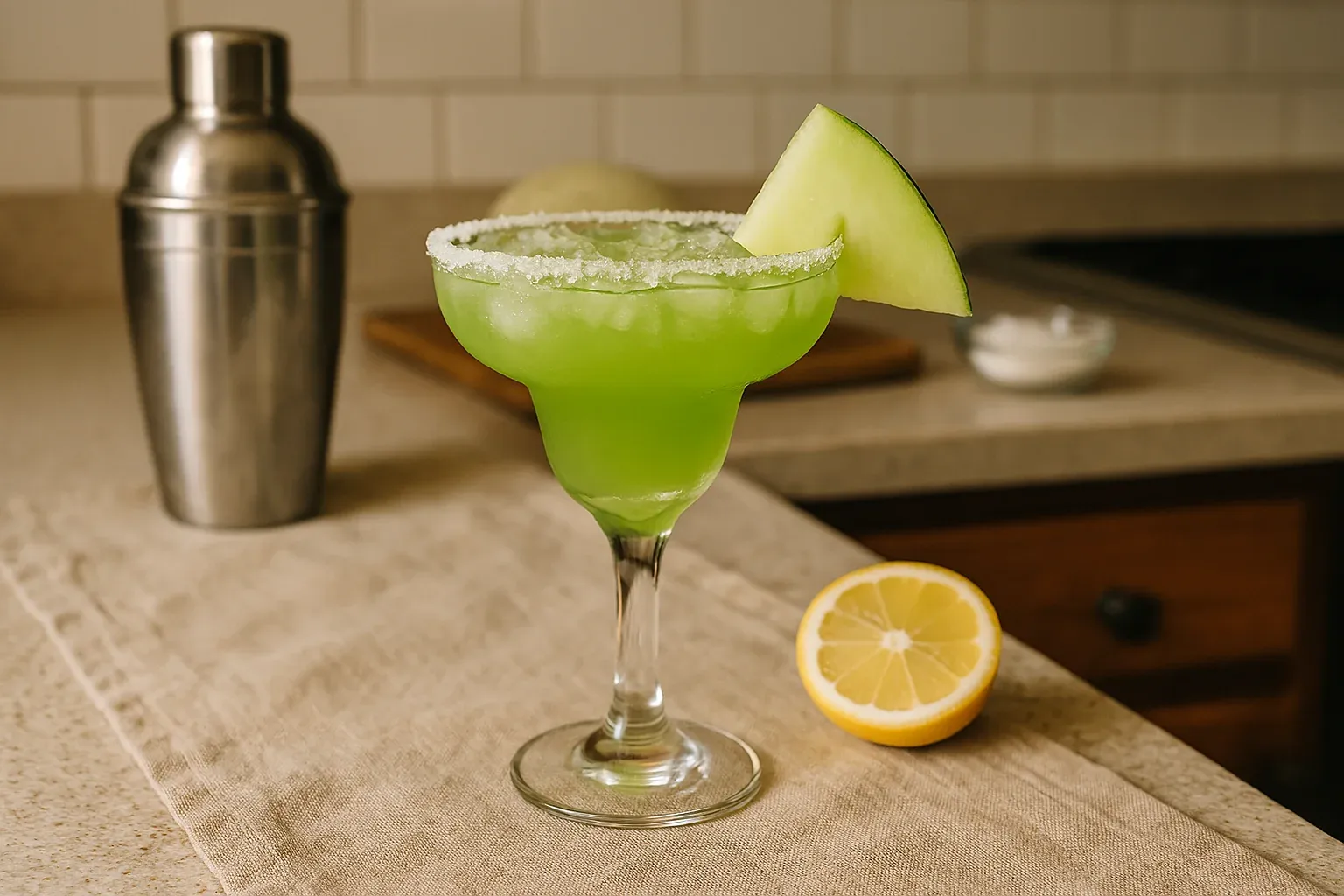
  • lemons
  • lemon juice
  • limes
  • oranges
  • rhubarb
  • tomatoes
  • vinegar
  • wine

Popular Recipes

Check our most popular recipes of this week

Latte in a beige cup on a saucer next to a French press with coffee and a bowl of coffee beans on a wooden counter.

Perfect cup of coffee

9 min • Easy • 1 serving

Personal-sized pizza with diced tomatoes and melted cheese on a white plate, set on a checkered cloth with kitchen items in the background.

Jamie’s pita pizza

15 min • Easy • 4 servings

Steamed white fish fillet with parsley sauce served on mashed potatoes and peas, with fresh parsley and onion in the background.

Poached fish in milk

20 min • Easy • 4 servings

Refreshing mojito cocktail with mint leaves, lime slices, and ice in a tall glass on a wooden countertop, with a muddler and lime halves nearby.

Mojito

5 min • Easy • 1 serving

Glazed miso black cod on a plate garnished with chopped green onions, with a lemon half and pepper grinder in the background.

Black cod with miso

25 min • Easy to Moderate • 4 servings

Behind the Scenes

Catch Up on What’s Happening in Our Kitchen

Discover Stories